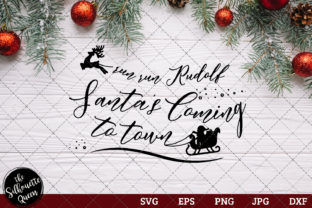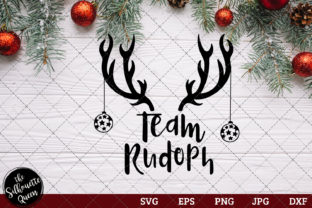
Team Rudolph Saying Crafts
A Brand Designer’s Take on a Graphic Design Asset for Marketing and Branding
As a brand designer and content marketer, I recently had the opportunity to review Team Rudolph Saying for potential use in a real marketing campaign. The asset immediately caught my eye with its playful yet professional aesthetic. It strikes a balance between whimsy and sophistication, making it a versatile tool for a variety of creative projects.
The First Impression
Upon first glance, Team Rudolph Saying evokes a sense of warmth and approachability. The design is clean, with a subtle texture that adds character without overwhelming the visual space. It feels like a natural fit for Crafts or lifestyle branding, where personality and quality go hand in hand. The color palette is soft and inviting, which can be especially effective for brands targeting families, educators, or small businesses looking to build a friendly and trustworthy presence online.
Emotional Tone and Audience Perception
The emotional tone of Team Rudolph Saying is gentle and welcoming. It communicates reliability and care, which are essential traits for brands that want to establish a connection with their audience. This makes it ideal for campaigns focused on community building, educational content, or product launches that emphasize craftsmanship and authenticity.
Marketing Use Cases
- Social Media Graphics: Team Rudolph Saying works exceptionally well as a background element in Instagram posts, Facebook ads, and Pinterest pins. Its subtle pattern adds visual interest without distracting from the main message.
- Branding Templates: It can serve as a decorative element in Canva templates, helping to unify a brand’s visual language across multiple platforms.
- Product Packaging: As a product label or accent, Team Rudolph Saying enhances the overall look of packaging while maintaining a cohesive brand identity.
- Editorial Design: It’s a great choice for blog graphics, website headers, and email banners, where a consistent and professional appearance is key.
- Digital Ads: When used in digital ads, it helps reinforce brand recognition without overshadowing the call-to-action.
Supporting Marketing Goals
Team Rudolph Saying supports several important marketing goals. It creates a stronger first impression by adding visual appeal to otherwise plain content. It also contributes to clearer visual hierarchy by guiding the viewer’s eye through the layout. For small business branding, this asset can help establish a more consistent and recognizable brand presence across all touchpoints.
Additionally, it improves audience trust by reinforcing a professional and polished image. Whether it’s used in a hero graphic or a promotional banner, Team Rudolph Saying helps create more memorable campaign visuals that resonate with the target audience.
Best Use Cases
Team Rudolph Saying excels in situations where a subtle, elegant design is needed. It works best in:
- Hero graphics for product launches
- Branded templates for social media and web content
- Package accents and product labels
- Content bundles and printable promotions
- Promotional banners and editorial layouts
- Decorative brand elements that add character without being too busy
It’s particularly effective when paired with a modern design style that emphasizes simplicity and clarity.
Limitations and Considerations
While Team Rudolph Saying is a versatile asset, there are certain contexts where it may not perform as well. For example, it should be used carefully in:
- Formal corporate branding where a more structured and minimalistic approach is preferred
- Dense information layouts where clarity is paramount
- Small mobile graphics where detail might be lost
- Low-contrast backgrounds where the asset could blend in too much
- Overly minimal brands where the asset might feel too decorative
- Text-heavy ads where the focus should remain on the message rather than the design
- Designs where the asset competes with the main message instead of supporting it
Before using Team Rudolph Saying in any paid campaign or client work, it’s important to confirm the commercial license. This ensures that you’re using the asset within the legal boundaries of your business and avoids any potential issues with copyright or usage rights.
Practical Brand Designer Notes
As a brand designer, I recommend testing Team Rudolph Saying with your brand color palette to ensure it complements your existing visual identity. Check how it looks in black and white to confirm its versatility. Place it inside real campaign mockups to see how it performs in context. Preview it on mobile screens to ensure it remains legible and visually appealing at smaller sizes.
Compare it against competitor visuals to determine if it stands out in a competitive market. Test how it pairs with different font styles, including serif, sans serif, script, and handwritten fonts. Review spacing and balance to maintain a harmonious layout. Finally, always confirm the commercial license before using it in paid campaigns, client work, or business branding.
Conclusion
Team Rudolph Saying is a strong graphic design asset that offers both creativity and professionalism. It’s an excellent choice for content creators, small business owners, and brand designers looking to enhance their visual storytelling. With the right application, it can support a wide range of marketing efforts, from seasonal promotions to long-term brand development. By understanding its strengths and limitations, you can make the most of this asset and elevate your brand’s visual presence in the marketplace.