Bokeh Light Textures for Embroidery
A Designer’s First Impression
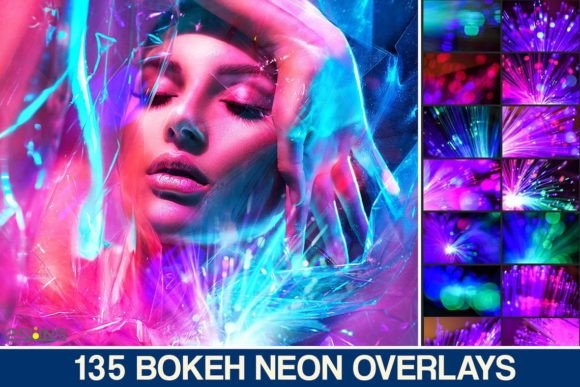
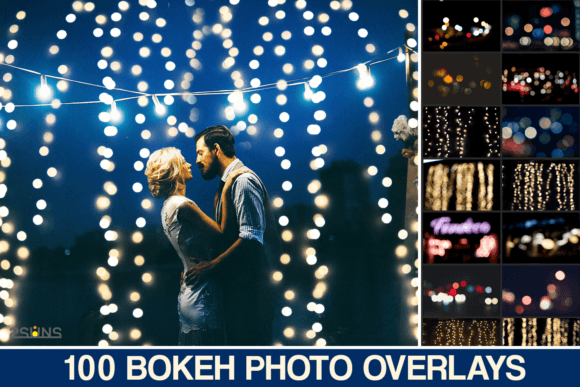
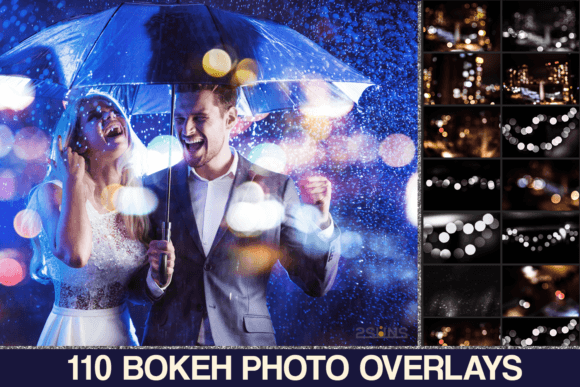
The moment I opened the 110 Photo Overlays Bokeh Light Textures, I was struck by its ethereal quality. The design exudes a soft, dreamy atmosphere that feels both modern and timeless. It’s not just about the visual appeal—it’s about how it makes you feel when you look at it. These overlays are subtle yet powerful, offering a gentle glow that can elevate any project without overwhelming it.
Each overlay is designed with a focus on texture and depth, using a blend of light and shadow to create a sense of movement. The shapes are clean, with smooth transitions that suggest a natural flow. This makes them ideal for projects where subtlety and elegance are key. Whether it's a custom apparel piece or a personalized gift, these overlays have a way of blending seamlessly into the fabric.
Real-Life Use Case: Custom Tote Bag Design
I recently had a client who wanted a custom tote bag for a local boutique. The theme was minimalistic but needed a touch of something special. I considered using the 110 Photo Overlays Bokeh Light Textures to add a subtle, artistic element without overpowering the design.
After testing the design on scrap fabric, I noticed that the textures worked beautifully with the natural fibers of the canvas. The softness of the bokeh effect added a layer of sophistication, making the tote feel more like a statement piece. It was perfect for a handmade product that needed to stand out in a crowded market.
However, I also noticed that the design’s subtlety could be a double-edged sword. While it looked stunning on a light-colored fabric, it might not be as effective on darker tones. This led me to recommend checking thread color contrast before finalizing the design, especially if the client planned to use it on black or dark denim.
Performance in Real Embroidery Situations
The 110 Photo Overlays Bokeh Light Textures perform exceptionally well in most embroidery scenarios. They work particularly well on custom apparel like t-shirts, sweatshirts, and even baby clothes. The delicate nature of the design means it doesn’t require heavy stitching, which helps maintain the integrity of the fabric.
For sweatshirt embroidery, the textures add a touch of whimsy without being too bold. On caps and hats, they provide a subtle decorative accent that complements the shape without competing with it. However, I would caution against using them on small hoop sizes or thin fabrics, as the detail may become lost or distorted.
When it comes to holiday embroidery or wedding gifts, the 110 Photo Overlays Bokeh Light Textures offer a versatile option. They can be used as decorative accents or as the main design, depending on the project’s needs. Their ability to adapt to different themes makes them a valuable asset for craft business owners looking to diversify their product line.
Where to Use with Care
While the 110 Photo Overlays Bokeh Light Textures are versatile, there are situations where they should be used with caution. For example, on textured fabrics or stretchy materials, the design may not stitch cleanly. The stitch density is moderate, so it’s important to ensure that the design fits within the hoop size and that the stabilizer is properly applied.
Additionally, these overlays are best suited for light-colored fabrics. If used on dark fabric, the effect may be less pronounced. I always recommend testing the design on a printable mockup or a small swatch before committing to a full project.
Products that require frequent washing, such as tea towels or kitchen towels, should also be approached with care. The delicate nature of the design means it may degrade over time, especially if exposed to harsh detergents or high heat.
Design Impact and Practical Notes
The 110 Photo Overlays Bokeh Light Textures have a significant impact on the visual appeal and product value of any embroidery project. They add a level of sophistication that can elevate a simple handmade item into something truly special. This is especially important for Etsy sellers and small shop products, where first impressions matter greatly.
From a brand consistency perspective, these overlays help create a cohesive aesthetic across multiple items. They’re great for digital embroidery files and design assets, allowing for easy integration into various projects. However, it’s essential to confirm the license terms before selling finished products or digital files, as this can affect your ability to use the design commercially.
As an experienced designer, I always recommend testing the design on scrap fabric first. Check thread color contrast, review stitch density, and confirm the hoop size to ensure the best results. Also, inspect small details and test the design in black and white mockups to see how it performs under different lighting conditions.
Finally, consider how the design will look on layered garments or curved surfaces like caps. These overlays are best suited for flat surfaces, so they may not be ideal for highly detailed corners or tiny lettering. With proper planning and attention to detail, however, they can be a fantastic addition to any embroidery project.