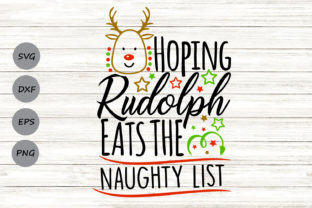
Hoping Rudolph Eats the Naughty List Svg for Crafts
A Festive Graphic Design Asset with a Playful Edge
The first impression of Hoping Rudolph Eats the Naughty List Svg is warm, whimsical, and slightly mischievous. It carries a festive energy that immediately evokes holiday cheer and nostalgia. The design feels handcrafted yet polished, suggesting a brand that values personality and charm over strict minimalism. This makes it an ideal asset for small businesses in the crafts, handmade, or seasonal product space.
Fitting for Handmade and Seasonal Branding
Hoping Rudolph Eats the Naughty List Svg has a playful and decorative style that aligns well with brands that want to stand out through creativity and character. It’s particularly suited for businesses like bakeries, boutique stores, and seasonal product campaigns where a touch of fun and tradition can enhance customer engagement.
For example, imagine a local bakery looking to create a holiday-themed menu. Hoping Rudolph Eats the Naughty List Svg could be used as a hero graphic on their website banner or as a decorative element on product labels. It adds a layer of storytelling that resonates with customers who appreciate thoughtful, visually engaging branding.
Practical Use Cases Across Branding Touchpoints
- Product Labels: The SVG works well as a subtle accent on product labels, especially for seasonal items like candles, soaps, or holiday treats.
- Packaging Design: As a decorative element, it can add visual interest to gift boxes, wrapping paper, or branded packaging without overwhelming the overall design.
- Social Media Graphics: Its festive nature makes it a great fit for social media content, such as Instagram stories, Facebook posts, or Pinterest pins.
- Thank-You Cards and Stickers: It’s perfect for creating personalized thank-you cards or promotional stickers that reflect a brand's holiday spirit.
- Menu Graphics and Price Lists: For food businesses, this design can be integrated into menu graphics or price lists to create a cohesive and memorable brand identity.
- Product Mockups: It adds a festive touch to product mockups, helping to visualize how the final product will look on shelves or in online stores.
Supporting Brand Presentation and Customer Trust
Using Hoping Rudolph Eats the Naughty List Svg can significantly enhance a brand’s visual presentation. It contributes to stronger first impressions by adding a unique and recognizable element to marketing materials. This helps build brand recognition and creates a more consistent brand identity across all touchpoints.
Additionally, the design supports clearer visual hierarchy by drawing attention to key areas of packaging or promotional content. It also fosters a stronger emotional connection with customers, especially during the holiday season, which can improve customer trust and loyalty.
Where It Works Best
Hoping Rudolph Eats the Naughty List Svg shines in environments where a decorative and festive touch is welcomed. It works best as a product label accent, hero graphic, or decorative brand element. It’s also excellent for seasonal packaging, boutique visuals, and social media campaign graphics.
Its playful nature makes it ideal for printable designs and digital products that require a vibrant and eye-catching presence. Whether used in Canva templates, web design, or editorial design, this asset brings a sense of warmth and personality to any project.
Where to Use with Caution
While Hoping Rudolph Eats the Naughty List Svg is versatile, it should be used carefully in certain contexts. It may not be suitable for formal corporate branding or luxury minimalist brands that prioritize simplicity over decoration. Similarly, it might compete with important text on very small labels or crowded product packaging.
It’s also not recommended for ingredient-heavy layouts or legal information areas where clarity is essential. In low-contrast backgrounds, the design might become less effective, so it’s important to test its visibility in different settings.
Brand Designer Notes for Practical Use
Before using Hoping Rudolph Eats the Naughty List Svg in a client project, consider the following practical steps:
- Test it on real packaging mockups: Ensure it integrates seamlessly with the overall design and doesn’t overwhelm the layout.
- Check black and white usage: Confirm that the design remains effective in monochrome formats, which are often used in print.
- Preview it on small labels: Make sure it scales well and maintains its impact at smaller sizes.
- Test it with brand colors: Evaluate how it interacts with your client’s color palette to ensure visual harmony.
- Compare it with competitor packaging: Assess whether it provides a competitive edge in terms of design and brand personality.
- Check print quality: Ensure the SVG or PNG version maintains high resolution and clarity when printed.
- Review PNG transparency: Verify that the design is suitable for layered compositions and transparent backgrounds.
- Inspect SVG or vector editability: If you plan to customize the design, confirm that it’s editable in vector software.
- Test it beside various font styles: Ensure it complements both serif, sans serif, script, and display fonts.
- Confirm commercial licensing: Always verify that the asset is licensed for commercial use, especially if you’re working with clients who sell physical products.
Conclusion
Hoping Rudolph Eats the Naughty List Svg is a versatile and expressive graphic design asset that can elevate the branding and presentation of small businesses in the crafts and seasonal product space. Its playful and decorative style makes it a valuable tool for creating engaging visuals that resonate with customers and support a strong brand identity.